
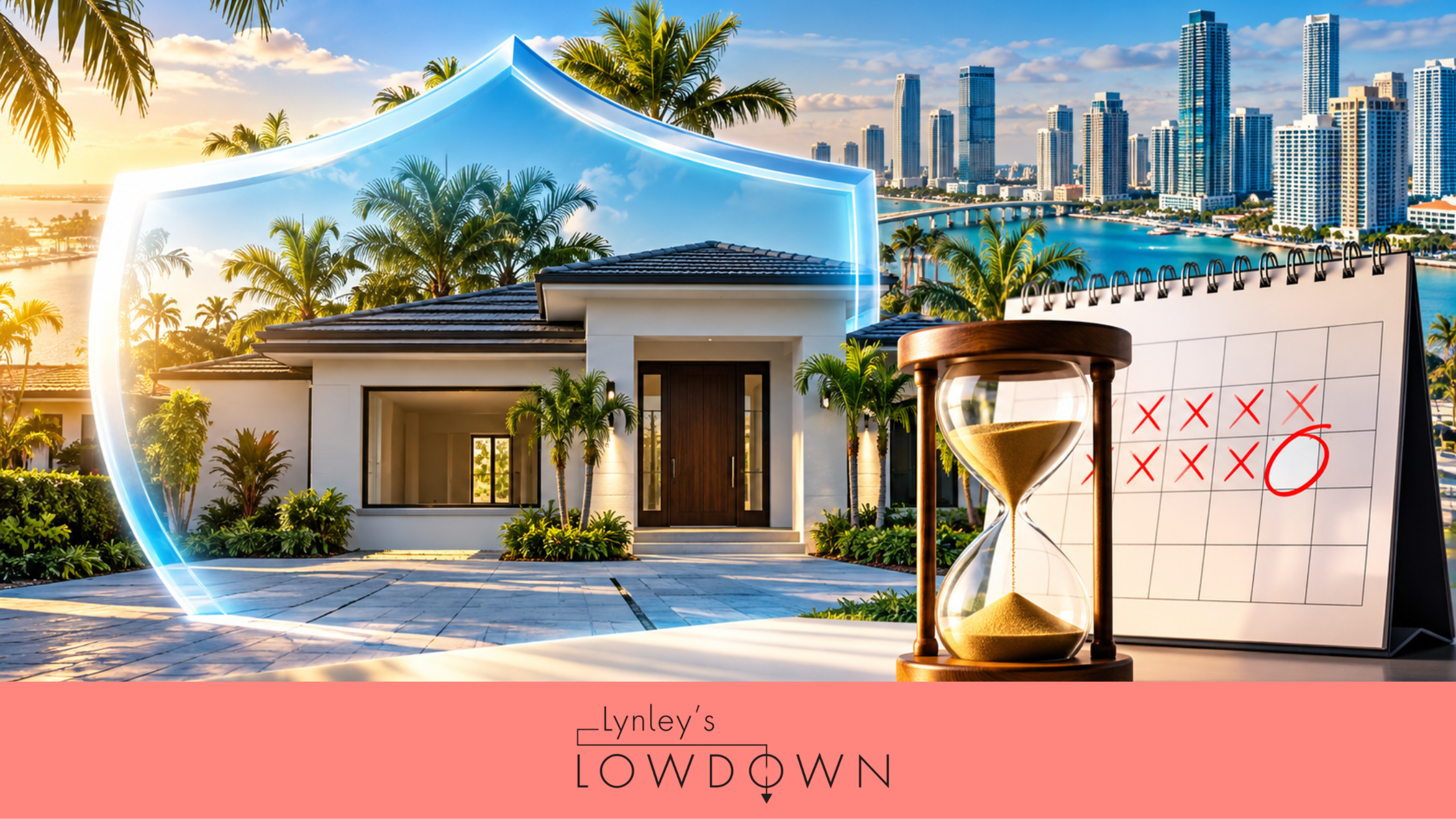
Vacant Home Insurance When Selling in Miami: The 60-Day Trap
Many Miami homeowners assume their insurance coverage stays the same after they move out and list their property for sale. In reality, most Florida homeowners policies begin restricting coverage once a home has been vacant for 30 to 60 consecutive days. That can leave sellers exposed to costly claims involving water damage, theft, vandalism, or broken glass while the home is still on the market. Before the moving truck arrives, it's important to understand your policy's vacancy rules, explore vacant-home insurance options, and create a plan that keeps your property protected through closing.
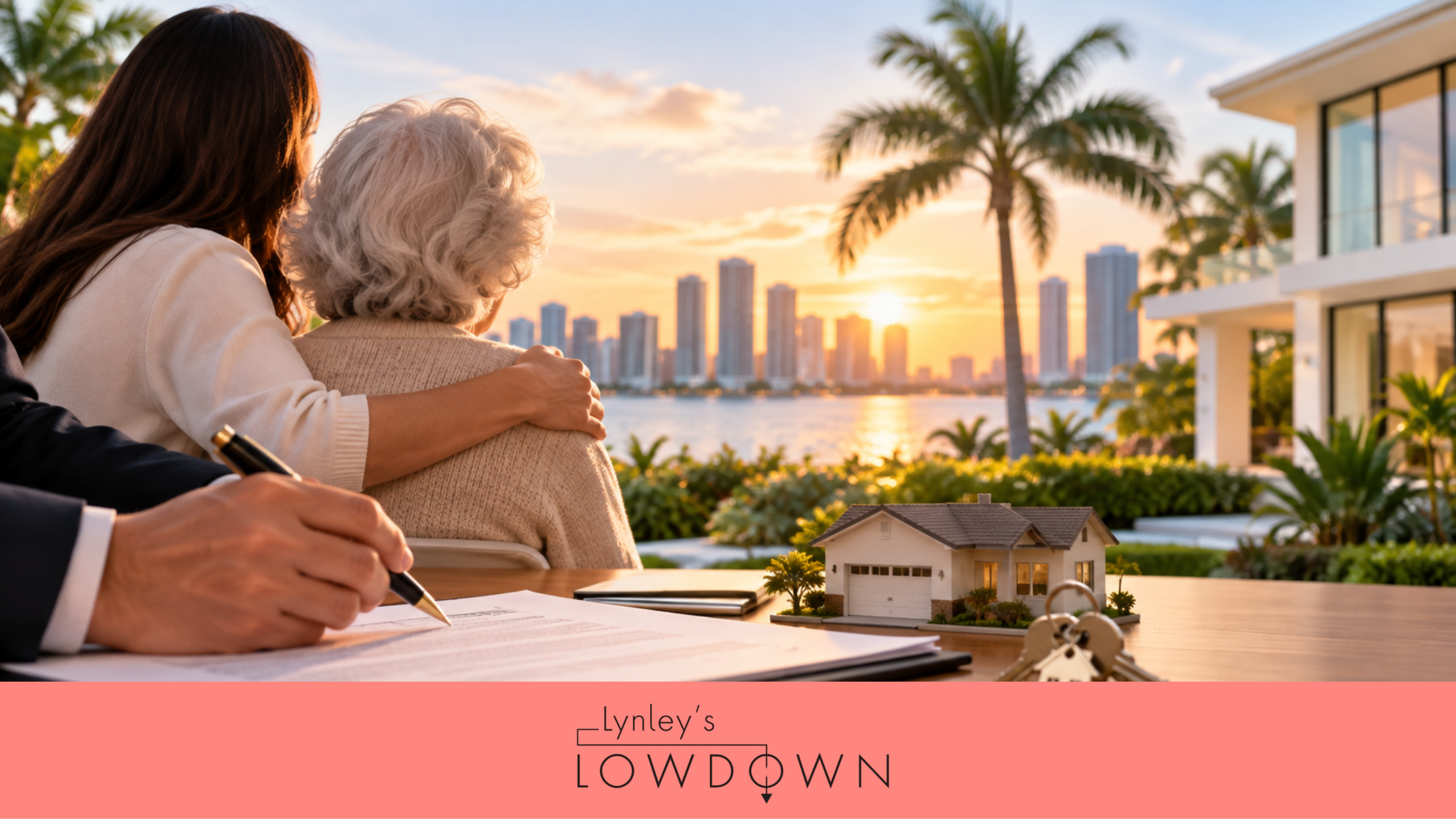
Selling a Parent's Miami Home With Power of Attorney
A valid power of attorney can allow you to sell a parent's Miami home, but only if the document meets Florida's legal requirements and grants clear authority over real estate transactions. Too often, families discover problems with an outdated or incomplete POA only after a buyer is under contract. From durability requirements and recording procedures to trust ownership and homestead rules, understanding these issues before listing can prevent costly delays and closing complications. Here's what Miami homeowners and their families should know before putting a property on the market.

The Lien Search Miami-Dade Sellers Skip (And Shouldn't)
A clean title search doesn't always mean your Miami-Dade home is ready to close. Municipal lien and code compliance searches can uncover open permits, code violations, unpaid assessments, and other issues that may not appear in standard title work. Costs vary by jurisdiction, from free self-service searches in Coral Gables to formal reports in Pinecrest and unincorporated Miami-Dade County. Understanding the process before listing can help sellers avoid last-minute surprises, delays, and costly negotiations during closing.

Why Your Buyer's Insurance Quote Could Kill Your Miami Home Sale
A signed contract no longer guarantees a successful closing in Miami. Rising insurance costs are causing more buyers to lose loan approval late in the transaction, often after inspections and underwriting are complete. When a buyer's actual insurance binder comes back thousands of dollars higher than expected, it can push their debt-to-income ratio beyond lender limits and jeopardize the entire deal. Here's why insurance quotes are becoming one of the biggest threats to Miami home sales—and what sellers can do to reduce the risk before accepting an offer.

Miami Listing Didn't Sell? Pull It Now or Relist in January
If your Miami home didn't sell this year, relisting in January may seem like an easy reset. A new listing date, access to Miami MLS Coming Soon status, and renewed winter buyer activity can create a stronger launch—but only if something meaningful changes. Whether it's pricing, presentation, photography, or repairs, a relaunch works best when it addresses the reason the home didn't sell in the first place. Before pulling your listing, here's how to determine whether waiting until January is a smart strategy or simply delaying a pricing decision.

What Coral Gables' Rising Sewer Bill Means for Home Sellers
Coral Gables homeowners will see a significant increase in sewer costs beginning October 1, 2026, as monthly bills rise from $77.88 to $94.65 under a city-approved rate schedule extending through 2031. Combined with a 4% increase in residential garbage assessments, these changes add to the growing cost of homeownership in Coral Gables. While the increases won't directly impact property values, they can influence carrying costs, buyer perceptions, and selling strategies. Here's what the new rates mean and how they may affect homeowners considering a move in 2026 or beyond.

Is South Miami Still a Seller's Market in Q4 2026?
South Miami remains one of Miami-Dade's most desirable neighborhoods, but the market isn't as straightforward as it was a few years ago. While well-updated homes in popular price ranges continue to attract strong buyer interest, many listings are experiencing longer timelines and increased negotiation. In this article, Lynley Ciorobea breaks down the latest South Miami market trends, explains why some homes are selling faster than others, and shares what sellers should know before listing in Q4 2026.

Selling in South Miami Before the Sunset Place Rebuild
With multiple major developments breaking ground around Sunset Drive, many South Miami homeowners are wondering whether they should sell now or wait until construction is complete. The answer depends less on the headlines and more on your home's exact location. While nearby construction can create temporary buyer concerns, waiting for the area to fully redevelop could mean postponing your sale for years. In this article, Lynley Ciorobea explains how the Sunset Place redevelopment, Alta Sunset, and the former Winn-Dixie project may affect local home values, buyer perception, and the best timing strategy for South Miami sellers.
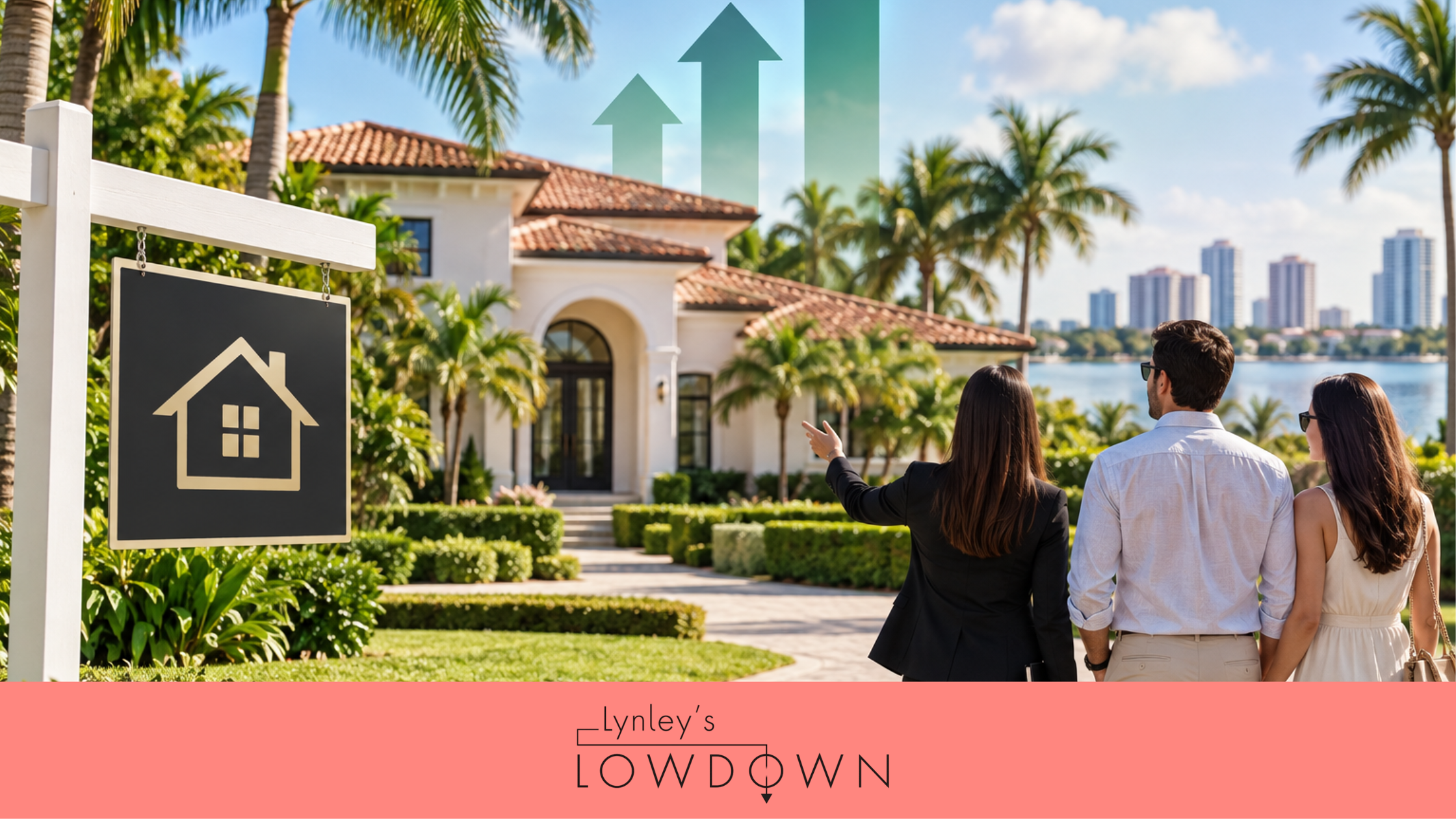
Is Pinecrest Still a Seller's Market in 2026?
Pinecrest remains one of Miami's most desirable luxury communities, but the market is no longer as forgiving as it was during the pandemic boom. While exceptional properties and new construction homes are still attracting strong offers, many sellers are finding that buyers have become more selective, timelines have lengthened, and pricing mistakes are more costly than ever. In this article, Lynley Ciorobea breaks down what's really happening in the Pinecrest market, why some homes are selling quickly while others sit, and how sellers can position themselves for success in Q4 2026.

Why Cocoplum Homes Sell for 11% Less Than the Asking Price
Cocoplum remains one of Coral Gables' most prestigious waterfront communities, but sellers are facing a different market than they did just a few years ago. Over the past year, homes in Cocoplum sold for an average of 89% of their asking price, with many listings spending months on the market before finding a buyer. In this article, Lynley Ciorobea breaks down why luxury buyers have become more selective, how outdated pricing strategies are leading to seven-figure reductions, and what sellers can do to position their homes competitively from day one.

Is Coral Gables Still a Seller's Market in Q4 2026?
Coral Gables remains one of Miami's most desirable real estate markets, but the answer to whether it's still a seller's market depends entirely on your price point. While luxury homes above $4 million are attracting strong demand and selling close to asking price, many homes in the $1 million to $3 million range are taking months to sell and often require price reductions. In this article, Lynley Ciorobea explains the growing divide in the Coral Gables market, what today's buyers are looking for, and how sellers can position their homes to succeed in Q4 2026.
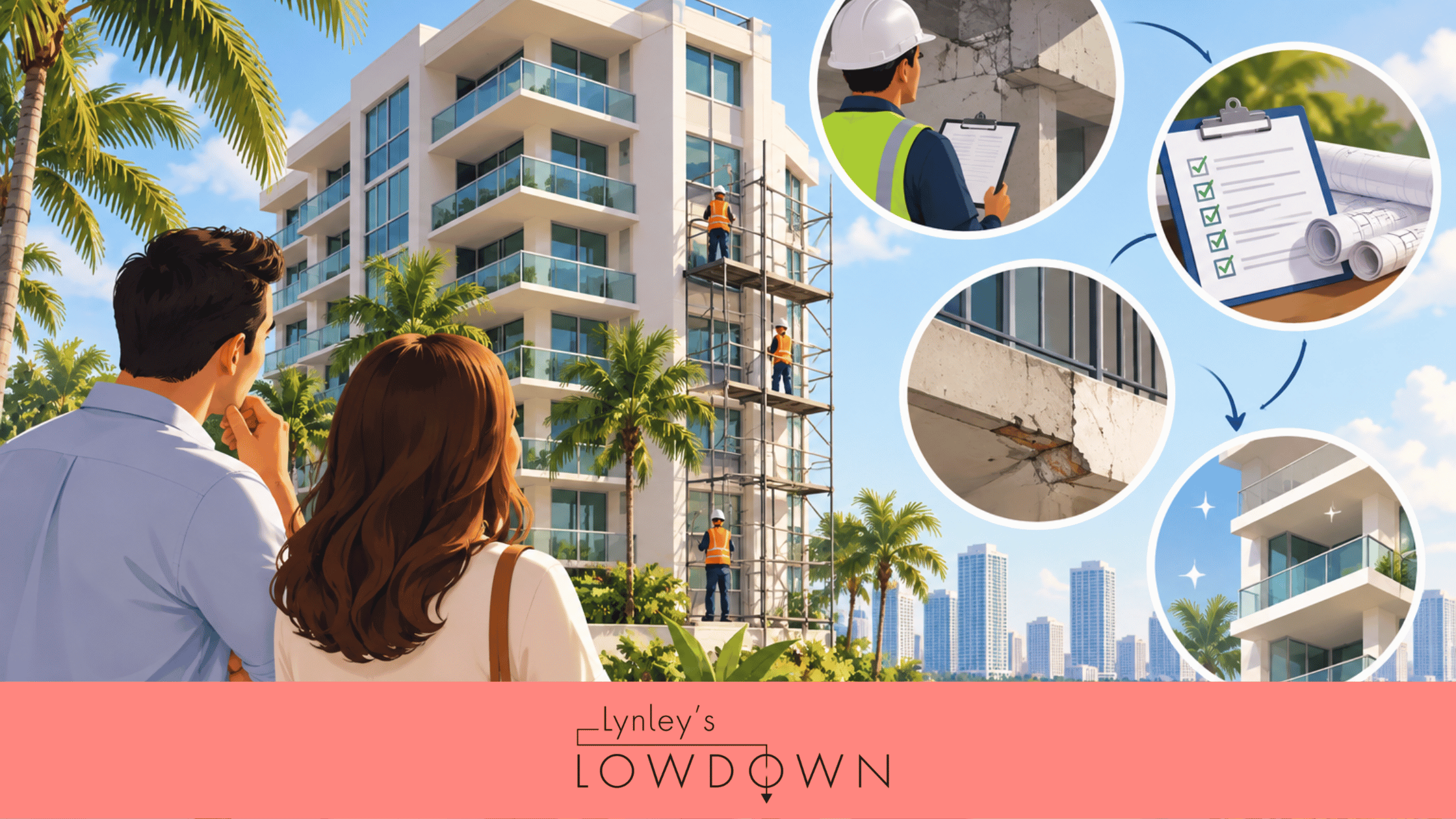
Miami-Dade's 40-Year Recertification: A Seller's Guide
Many Miami condo owners assume passing a Milestone Inspection means their building is fully compliant. In reality, Miami-Dade's 40-year recertification is a separate requirement with its own deadlines, inspections, and consequences. While Florida's Milestone Inspection law focuses on structural safety, Miami-Dade's program requires both structural and electrical certification. Understanding which requirements apply to your building can help avoid unexpected assessments, financing issues, and closing delays when it's time to sell.

Should You Downsize From a House to a Condo in Coral Gables?
For many Coral Gables and Pinecrest homeowners, downsizing from a large family home to a condo or villa can unlock significant equity, lower monthly expenses, and simplify day-to-day living. But the financial benefits aren't always as straightforward as they appear. Post-Surfside reserve requirements have left some older Miami-Dade condo buildings facing substantial special assessments, making it critical to review milestone inspections, reserve studies, and association finances before making a move. Here's what empty nesters should know before trading a house for condo living.

Is Palmetto Bay Still a Seller's Market in 2026?
Palmetto Bay remains one of Miami-Dade's most desirable neighborhoods, but the market is no longer moving at the pace sellers enjoyed just a year or two ago. While home values continue to rise, median days on market have increased significantly, signaling a shift toward a more balanced market. Buyers have more choices, more leverage, and more time to compare properties before making offers. For homeowners considering a sale, success in today's market depends less on simply listing and more on strategic pricing, thoughtful presentation, and understanding what buyers are actively seeking. If you're planning to sell in Palmetto Bay, knowing where the market stands today can help you maximize both your timeline and your final sale price.

Rate Buydown or Price Cut? What Miami Sellers Should Know
If you're selling a home in Miami and considering how to attract buyers, a rate buydown may deliver far more impact than a simple price reduction. While a $10,000 price cut often lowers a buyer's monthly payment by only about $50 to $60, the same amount applied toward a seller-paid mortgage rate buydown can reduce payments by several hundred dollars per month during the first years of ownership. However, the strategy isn't one-size-fits-all. Many buyers in Coral Gables, Pinecrest, and other higher-priced Miami-Dade neighborhoods use jumbo financing, where buydown options vary significantly by lender. Understanding the difference can help sellers negotiate more effectively, preserve their recorded sale price, and make their home stand out in a competitive market.