

Waterfront Home Selling in Miami: What Buyers Will Scrutinize Before They Offer
Selling a waterfront property in Miami requires far more preparation than a traditional home sale. Buyers shopping in luxury waterfront communities like Cocoplum, Gables by the Sea, Old Cutler Bay, and Coconut Grove often conduct extensive due diligence, including seawall inspections, dock permit verification, flood zone reviews, marine engineering reports, and bridge clearance assessments. Sellers who prepare documentation early, understand how waterfront features impact value, and address potential issues before listing can protect both their asking price and closing timeline in Miami’s highly competitive luxury waterfront market.

Relocating to Miami? What Out-of-State Buyers Need to Know Before You Buy
Buying a home in Miami as an out-of-state buyer comes with major differences that can catch even experienced buyers off guard. From Florida’s binding FAR/BAR AS-IS contract and the lack of an attorney review period to higher homeowners insurance costs, unique closing cost structures, and strict Florida Homestead Exemption deadlines, relocating buyers need to understand the local process before making an offer. Whether you're moving from New York, California, or cities like Chicago, knowing how the Miami market works can save you thousands and help you navigate your move with confidence.

How to Negotiate When Buying a Home in Miami in 2026
Miami’s real estate market has shifted dramatically in 2026, giving buyers more negotiating power than they’ve had in years. With rising inventory, longer days on market, and more motivated sellers, buyers can now negotiate beyond just price — including closing cost credits, rate buy-downs, repair credits, and flexible closing terms. If you're planning to buy in neighborhoods like Coral Gables, Pinecrest, or Coconut Grove, understanding today’s market conditions could save you thousands. Here’s how smart buyers are winning in Miami’s 2026 buyer-friendly market.
Can a Miami Home Seller Back Out of a Contract After Accepting an Offer?
Once you accept an offer on your home in Florida, the contract becomes legally binding — and backing out is rarely simple. If you’re a Miami seller wondering whether you can cancel after signing, understanding your legal options (and the consequences of walking away) is critical before making any decisions.
Earnest Money in Miami: How Much Sellers Should Require — And What Happens If the Buyer Walks
Wondering how much earnest money to require when selling your Miami home? In Miami’s competitive luxury market, earnest money deposits often range from 3% to 10% of the purchase price — far above the national average. This guide explains Florida’s AS-IS contract, inspection period risks, when sellers can keep the deposit, and smart strategies to protect your transaction from costly buyer cancellations.

What Happens After Your Offer Is Accepted in Miami: A Buyer's Timeline
Getting your offer accepted on a Miami home is exciting, but the real work begins immediately. From wiring your earnest money deposit and completing inspections to securing insurance, navigating title work, and preparing for closing day, every deadline matters. Here’s a complete buyer’s timeline so you know exactly what to expect after your offer is accepted in Miami.

Real Estate Wire Fraud: What Miami Home Sellers Must Know Before Closing
Real estate wire fraud is a growing threat for Miami home sellers, with scammers targeting high-value transactions and redirecting closing funds through fraudulent wire instructions. If you’re selling a home in South Florida, understanding how these scams work and knowing how to verify every transaction could save you from a costly mistake before closing.

Florida's $250,000 Homestead Exemption: What Miami Buyers Need to Know Before December 31
A proposed $250,000 Florida Homestead Exemption could reshape the financial outlook for Miami home buyers. Buyers who establish Florida residency before December 31, 2026 may qualify immediately for significant property tax savings, while those who wait could face a multi-year phase-in. Here’s what every Miami buyer should know before making a move.

Buying a Condo in Miami: What to Check Before You Make an Offer
Thinking about buying a condo in Miami? Before making an offer, it’s essential to review key financial and structural documents that could impact your investment. Learn how Florida’s new condo laws, HOA reserves, special assessments, and inspection reports can help you avoid costly surprises and negotiate smarter in today’s Miami condo market.

Property Taxes in Miami-Dade: What Home Buyers Actually Pay in Year One
Many Miami home buyers focus on purchase price and mortgage rates—but overlook one of the biggest ongoing costs of ownership: property taxes. In Miami-Dade, property taxes reset to your full purchase price after closing, meaning your tax bill could be dramatically higher than what the previous owner paid. Whether you're buying in Coral Gables, Pinecrest, Coconut Grove, or Palmetto Bay, understanding millage rates, homestead exemptions, portability benefits, and important filing deadlines can save you thousands of dollars. This guide breaks down exactly what buyers should expect to pay in year one and how to plan ahead before purchasing your next Miami home.
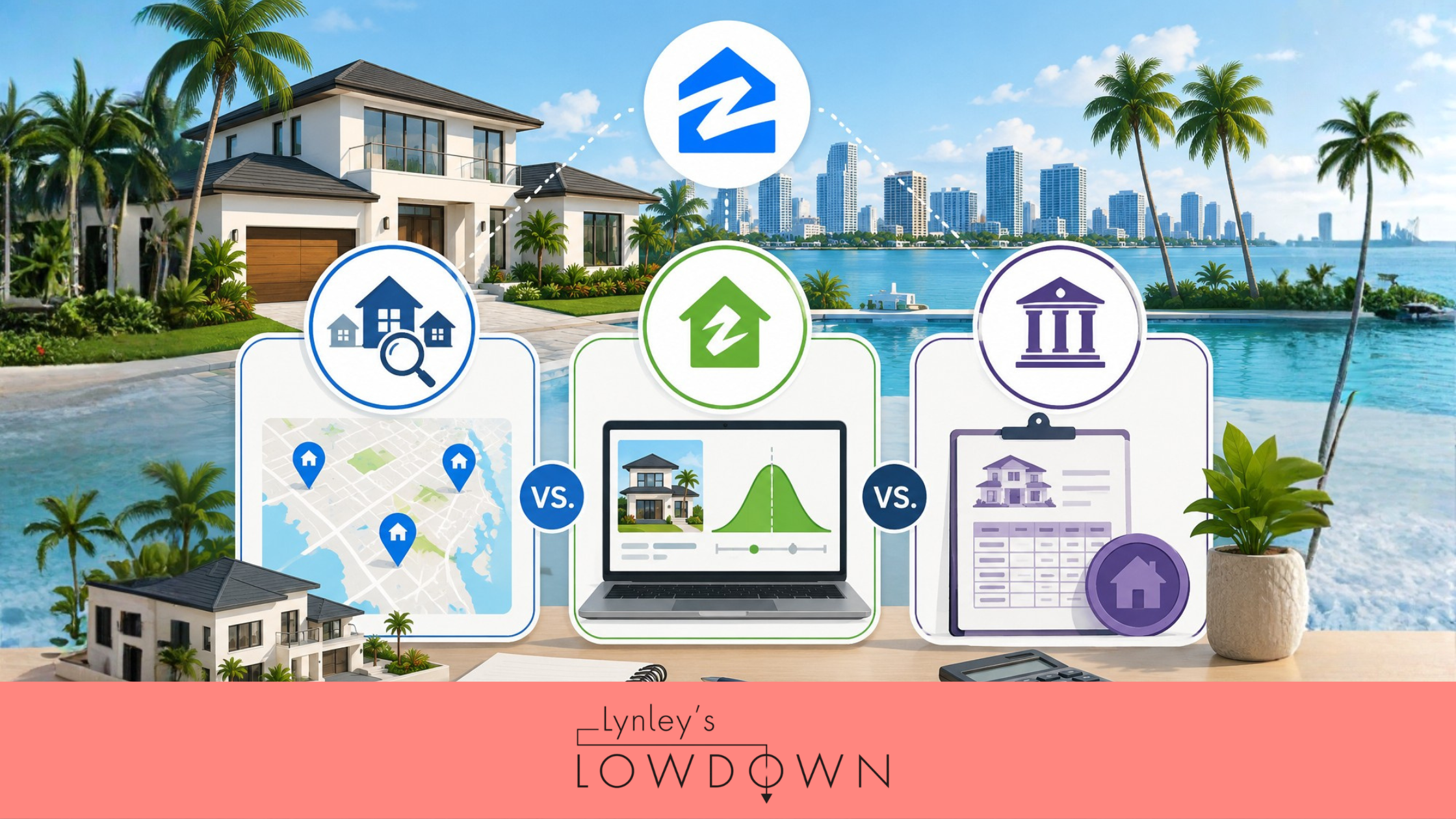
How to Price Your Miami Home: CMA vs. Zestimate vs. Assessed Value
Pricing your home correctly is the most important decision you'll make before listing. While many Miami homeowners start with a Zestimate or their property's assessed value, neither provides the accuracy needed in today's competitive market. A Comparative Market Analysis (CMA) uses recent local sales, neighborhood trends, property condition, and market demand to determine a realistic price range. In luxury communities like Coral Gables, Pinecrest, Coconut Grove, and Palmetto Bay, pricing mistakes can cost sellers hundreds of thousands of dollars. Learn how CMAs, Zestimates, and assessed values differ—and how to use each one effectively when preparing to sell your Miami home.

Florida Listing Agreement: What Miami Home Sellers Need to Know Before You Sign
Signing a Florida Listing Agreement is one of the most important steps in selling your home, yet many Miami sellers overlook critical details hidden in the fine print. From commission obligations and broker protection periods to cancellation rights and marketing commitments, the Exclusive Right of Sale Listing Agreement can have lasting financial consequences. This guide breaks down the key terms every homeowner in Coral Gables, Pinecrest, South Miami, Coconut Grove, and Palmetto Bay should understand before hiring a listing agent and putting their property on the market.

Selling a Tenant-Occupied Home in Miami: What Florida Sellers Need to Know
Can you sell a home with tenants still living in it? Absolutely—but Florida law comes with important rules every seller needs to understand. From lease agreements that "run with the land" to cash-for-keys negotiations, estoppel letters, and buyer financing challenges, selling a tenant-occupied property requires a different strategy than a vacant home. This comprehensive Miami seller's guide explains how tenant occupancy impacts pricing, buyer demand, showings, disclosures, and closing requirements so you can make informed decisions and maximize your sale outcome.

How Long Does It Take to Sell a House in Miami in 2026?
Selling a home in Miami in 2026 takes longer than many homeowners expect. While Miami-Dade single-family homes average about 76 days from listing to closing, most sellers should realistically plan for a 4- to 5-month process once pre-listing preparation is included. From pricing strategy and market conditions to neighborhood-specific demand in Coral Gables, South Miami, Pinecrest, and Palmetto Bay, this guide breaks down what affects your timeline and how to position your home for a faster, more successful sale.

Home Staging in Miami: What It Costs, What It Returns, and Whether It's Worth It
Is home staging worth the investment when selling a Miami home? For luxury properties, professional staging can cost anywhere from $1,000 to $30,000, but it may increase sale prices by 1% to 10% and help homes sell faster. In a market where buyers often make decisions from online photos before scheduling a showing, strategic staging can be the difference between generating strong offers and sitting on the market. Learn what staging costs, what returns sellers can realistically expect, and how to decide if it's the right move for your home.