
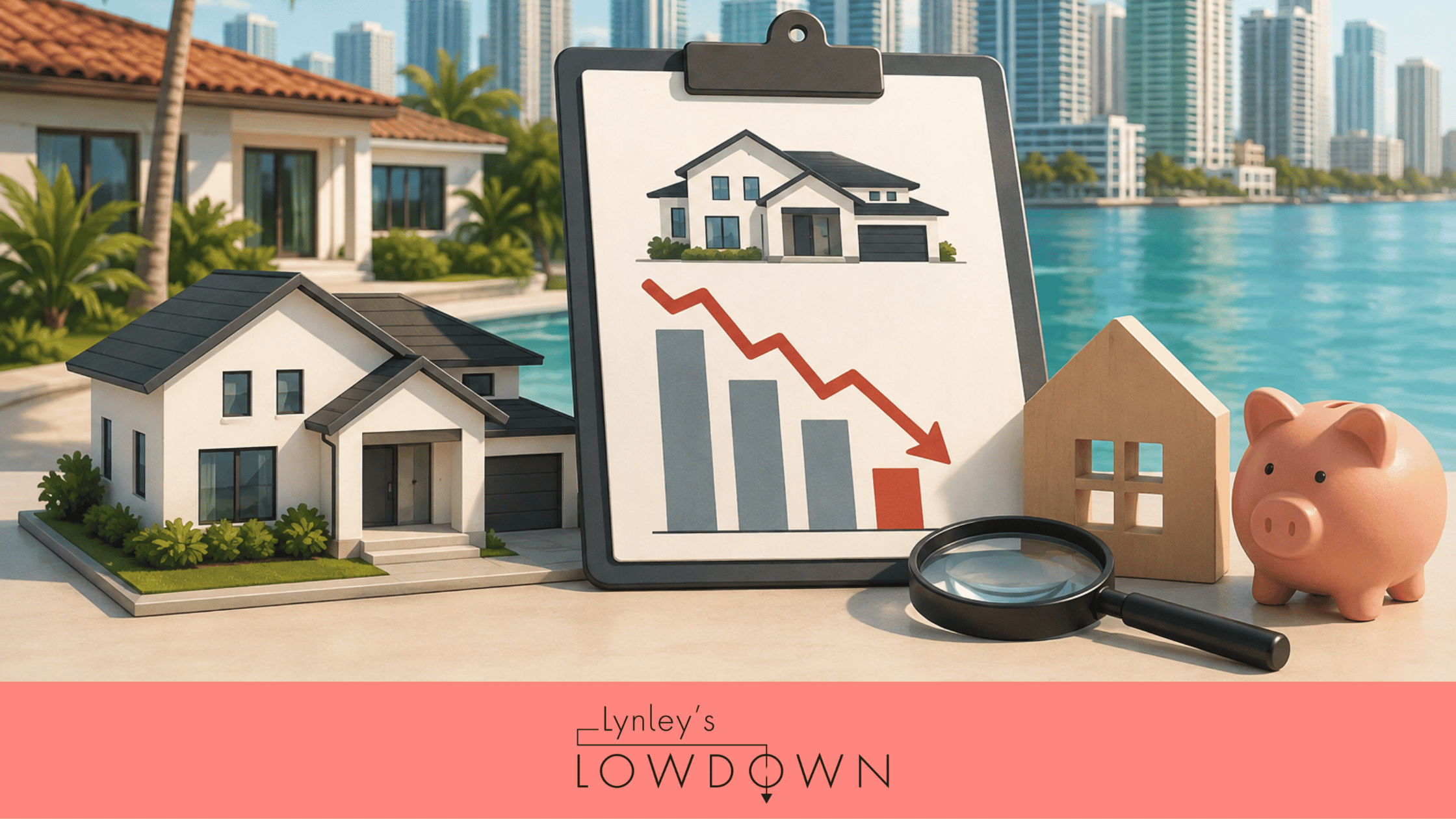
Appraisal Came In Low? What Miami Home Sellers Need to Know
A low appraisal doesn't have to derail your home sale, but it does create an important negotiation point between you and the buyer. When a lender's appraisal comes in below the contract price, Miami sellers typically have four options: lower the price, split the appraisal gap, ask the buyer to bring additional cash to closing, or challenge the appraisal through a formal Reconsideration of Value (ROV) process. In luxury neighborhoods such as Coral Gables, Pinecrest, and South Miami, appraisal issues can be more common because unique homes often lack truly comparable recent sales. The right response depends on your leverage, the strength of the buyer's financing, and whether preserving the sale is more important than maximizing price. Understanding your options before an appraisal issue arises can help you protect both your proceeds and your closing timeline.
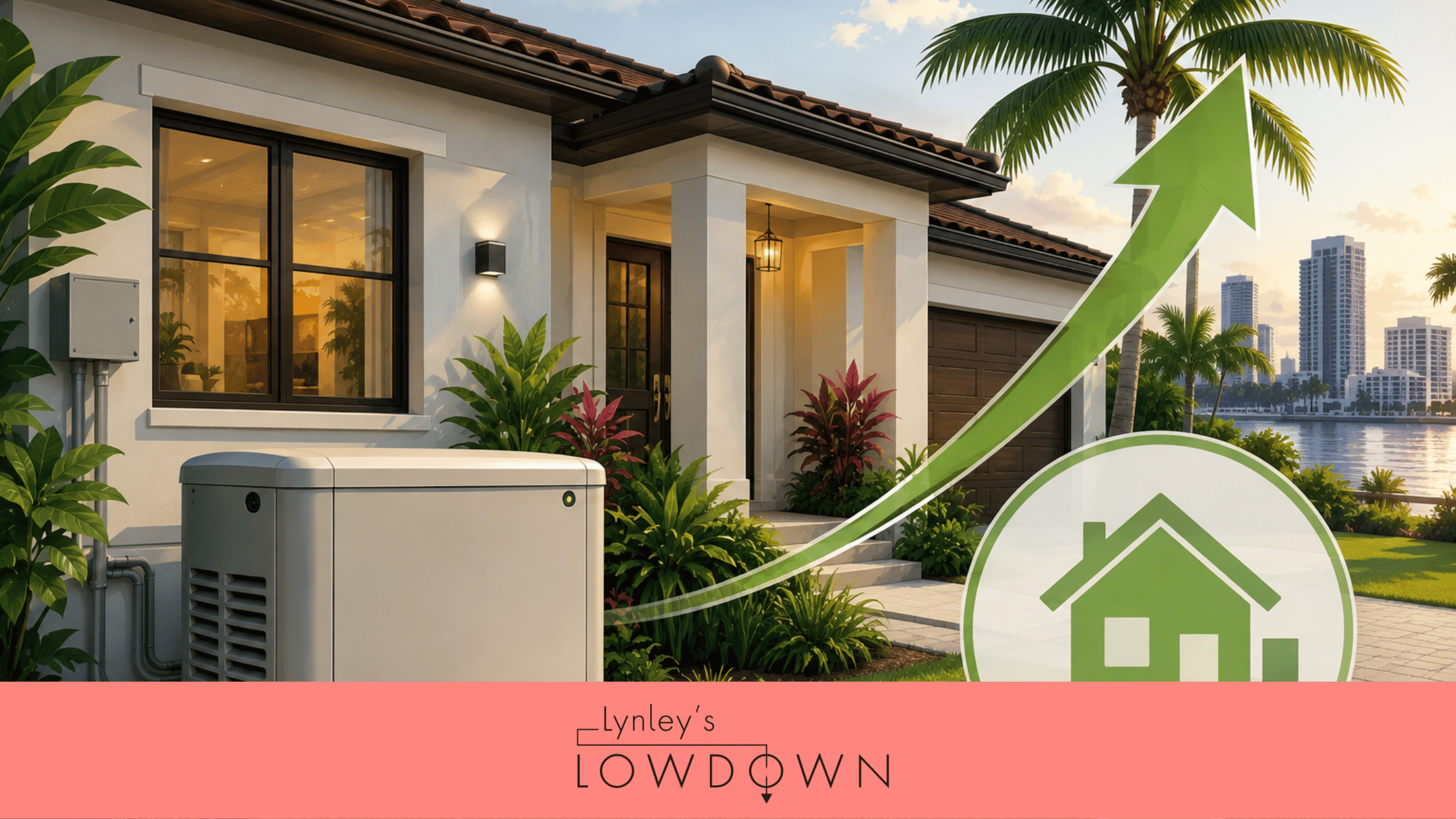
Does a whole-home generator increase your home's value when you sell in Miami?
In South Florida’s hurricane-prone market, a whole-home standby generator has become one of the most sought-after features among luxury home buyers. While generators don't add a guaranteed percentage to an appraisal, they can significantly boost buyer confidence, perceived value, and negotiating leverage—especially in neighborhoods like Coral Gables, Pinecrest, Palmetto Bay, and Coconut Grove where large homes often have substantial electrical demands. A properly permitted standby generator can help a listing stand out during hurricane season, eliminate buyer objections related to power outages, and improve overall marketability—though sellers should prioritize major insurability issues, such as roofing or electrical upgrades, before investing in backup power systems.

Florida's Live Local Act: What It Means for Your Miami Neighborhood
Florida’s Live Local Act does not directly rezone single-family neighborhoods, but its latest expansion is creating new development opportunities on nearby commercial, institutional, and public land throughout Miami-Dade County. For homeowners in Pinecrest, Palmetto Bay, Coral Gables, and South Miami, the law could influence future neighborhood character, traffic patterns, housing density, and property values—particularly along major commercial corridors bordering established residential communities. While height buffers offer some protections for single-family neighborhoods, developers now have greater flexibility to pursue multifamily and mixed-use projects than under traditional local zoning rules. Understanding what’s proposed near your specific neighborhood can be an important factor when deciding whether to sell, buy, or hold property in the years ahead.

Is my Pinecrest or Palmetto Bay home worth more as land than as a house?
If you own an older home in Pinecrest or Palmetto Bay, your property's highest value may not be in the house itself—it may be in the land beneath it. With large lots becoming increasingly scarce and builders actively seeking teardown opportunities for custom home construction, many properties are being valued based on lot size, buildable area, and redevelopment potential rather than interior finishes or recent renovations. In fact, land value now exceeds structure value for the vast majority of single-family homes in Pinecrest. Before investing in costly upgrades, sellers should evaluate teardown and land-sale comparables to determine whether marketing the property as a redevelopment opportunity could generate a higher sale price and attract a more competitive pool of buyers.
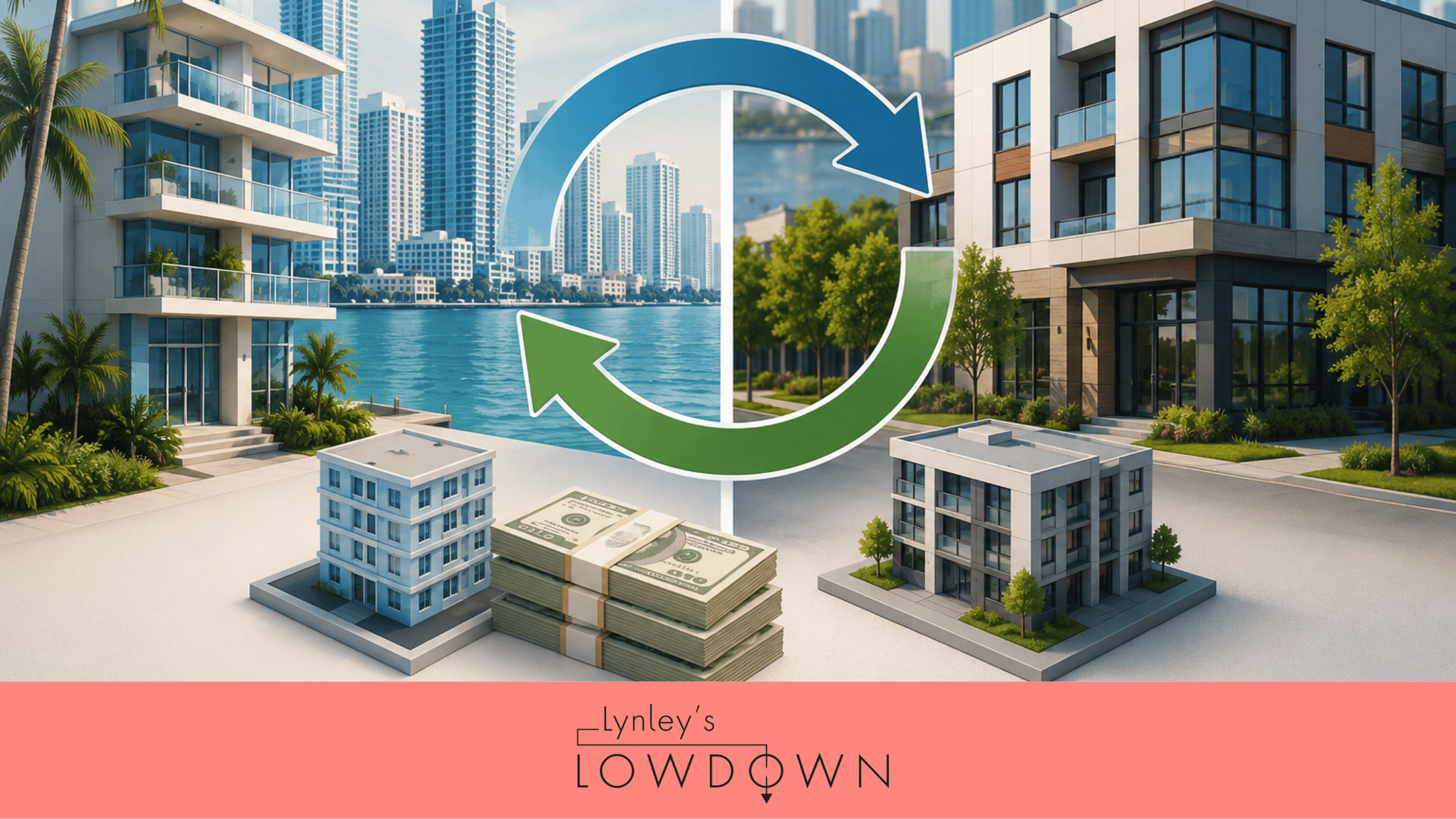
Should You 1031 Exchange Your Miami Investment Property?
A 1031 exchange allows real estate investors to defer federal capital gains taxes by reinvesting proceeds from the sale of an investment property into another qualifying property. While it can be a powerful wealth-building strategy, strict IRS rules apply—including hiring a Qualified Intermediary before closing, identifying a replacement property within 45 days, and completing the purchase within 180 days. Whether you're selling a rental home, condo, or multifamily property in Coral Gables, Coconut Grove, Pinecrest, South Miami, or Palmetto Bay, understanding how a 1031 exchange works before you list can help you preserve more of your investment and avoid costly tax mistakes.

Does Florida's Milestone Inspection Deadline Affect Selling Your Miami Condo?
Florida’s December 31, 2026 milestone inspection deadline is becoming one of the biggest factors affecting older condo buildings across Miami-Dade. Condominiums three stories or taller must comply with the state’s Milestone Inspection and, in many cases, complete a Structural Integrity Reserve Study (SIRS) to remain in good standing. Buildings that fail to comply risk special assessments, financing restrictions, and placement on Fannie Mae’s unavailable list—dramatically shrinking the pool of eligible buyers. If you own a condo in older communities across Miami, Miami Beach, Coral Gables, or Coconut Grove, verifying your building’s inspection and reserve status before listing can help you avoid costly surprises and position your property for a smoother sale.

Florida's New $7,500 Permit Exemption: What Miami Sellers Need to Know
Florida’s new HB 803, effective July 1, 2026, is making it easier for homeowners to complete many pre-listing improvements without the delays of obtaining a building permit. Cosmetic projects like painting, flooring, cabinetry, drywall repairs, fencing, and landscaping may now qualify for the $7,500 permit exemption, while electrical, plumbing, HVAC, structural, and gas work still require permits regardless of cost. For sellers in Coral Gables, Pinecrest, South Miami, Coconut Grove, and Palmetto Bay, understanding what the new law changes—and what it doesn’t—is key to preparing a home for sale while remaining compliant with Florida building codes and disclosure requirements.

Can you sell a home in Miami that you've been renting on Airbnb?
Selling a home that you've used as an Airbnb or vacation rental in Miami is absolutely possible—but your obligations depend on where your property is located. Cities like Coral Gables prohibit short-term rentals in most single-family neighborhoods, while Pinecrest requires annual registration and compliance. Meanwhile, HOA or condo association rules may impose additional restrictions, even when local governments permit short-term rentals. Before listing your property, it's important to understand your zoning, licensing requirements, rental history disclosures, and how past Airbnb use could impact financing or buyer interest. Preparing these details in advance can help you avoid delays and position your Miami home for a smoother sale.

Do You Have a PACE Lien? What Miami Sellers Need to Know
If you financed impact windows, a new roof, or solar panels through a PACE (Property Assessed Clean Energy) program, it could affect your home sale more than you realize. Unlike a traditional loan, a PACE assessment is attached to your property tax bill and becomes a senior lien that most mortgage lenders require to be paid off before closing. Homeowners in Coral Gables, Pinecrest, Palmetto Bay, and South Miami should verify whether their property has a PACE assessment, request a payoff statement early, and prepare the required Florida disclosure before listing. Taking these steps can help prevent financing delays, unexpected closing costs, and last-minute surprises that could jeopardize your sale.

Does historic designation help or hurt a home sale in Coral Gables?
Historic designation can be both an advantage and a challenge when selling a home in Coral Gables. While designation can increase a property's appeal through architectural significance, limited inventory, and valuable property tax benefits, it also comes with restrictions on exterior renovations that may narrow the buyer pool. Buyers of historic homes often value preserved character, while others may hesitate due to the Certificate of Appropriateness (COA) process, insurance considerations, and renovation limitations. Understanding how your home's designation impacts pricing, appraisals, and marketability is essential to positioning it correctly and attracting the right buyers in Coral Gables' competitive luxury real estate market.

What should Miami sellers know when a buyer wants to close through an LLC or trust?
Seeing an offer from an LLC or trust instead of an individual buyer is increasingly common in Miami’s luxury real estate market. Buyers often use these entities for privacy, asset protection, and estate planning—not because they’re hiding something. However, before accepting the offer, sellers should verify the entity is in good standing, confirm the signer has legal authority, and understand how financing and closing requirements may differ. If you're selling a home in neighborhoods like Coral Gables, Pinecrest, or Coconut Grove, knowing how to evaluate offers from LLCs and trusts can help you avoid delays and ensure a smoother closing. Additionally, recent changes to the federal FinCEN Residential Real Estate Rule make it more important than ever to work with experienced closing professionals who stay current on evolving regulations.

Should You Add an ADU to Your Miami Home Before You Sell?
Adding an Accessory Dwelling Unit (ADU) can be one of the most valuable upgrades for Miami homeowners—but only if it’s planned strategically. A legally permitted ADU may increase your home’s value by 100% to 150% of its construction cost while creating additional rental income that appeals to today’s buyers. For homeowners in neighborhoods like Pinecrest, Palmetto Bay, South Miami, and Coral Gables, the decision depends on factors such as lot size, permitting, HOA restrictions, construction timelines, and your expected selling date. Before investing six figures into an ADU, understand whether it will truly maximize your home's resale value or if your money is better spent on other pre-listing improvements.

Rent vs. Buy in Miami: The Real 2026 Break-Even Math
Deciding whether to rent or buy a home in Miami isn't as simple as comparing a mortgage payment to monthly rent. While national studies suggest it can take more than a decade to break even, local market data tells a different story—often closer to four or five years for buyers who plan to stay. Factors like homeowners insurance, HOA fees, the Florida Homestead Exemption, and your expected length of ownership all play a major role in the equation. Whether you're relocating from out of state or deciding between renting in Brickell or buying in Coral Gables, Pinecrest, South Miami, or Coconut Grove, understanding your personal break-even point can help you make a smarter long-term investment decision.

What Is an Assumable Mortgage? How It Can Help Sell Your Miami Home Faster in 2026
If your Miami home has an FHA, VA, or USDA loan with a low interest rate from 2020–2022, you may have a valuable selling advantage. An assumable mortgage allows qualified buyers to take over your existing loan—and its lower interest rate—instead of financing at today's much higher rates. That can translate into significant monthly savings and make your listing stand out in competitive neighborhoods like South Miami and Palmetto Bay. Before advertising your home as having an assumable mortgage, it's important to understand loan eligibility, the equity gap, lender requirements, and the longer closing timeline that comes with the assumption process.

Is My Deposit Safe When I Buy a Pre-Construction Condo in Miami?
Buying a pre-construction condo in Miami can offer exciting opportunities, but it also comes with unique financial risks. Florida law protects buyers by requiring deposits of up to 10% to remain in a secure escrow account and provides a 15-day rescission period to cancel your contract for a full refund. After that window closes, however, your deposit is generally non-refundable unless the developer defaults. With several South Florida developments facing delays, lawsuits, and financial challenges in 2026, buyers should carefully evaluate a developer's track record, contract terms, assignment policies, and financing timelines before committing to a project. Whether you're considering new construction in Coral Gables or Coconut Grove, understanding how your deposit is protected can help you make a more confident investment decision.