
Should You Carry the Note When Selling in Miami?
Could seller financing help you sell your Miami home to a buyer who can't secure traditional mortgage financing? By carrying the note, you allow the buyer to make a down payment and repay the remaining balance over time, potentially expanding your pool of qualified buyers. However, seller financing also comes with important considerations, including default risk, Florida documentary stamp and intangible taxes, insurance requirements, and federal lending regulations. Learn how installment-sale tax treatment may affect your proceeds and why legal and tax guidance is essential before agreeing to a seller-held mortgage. Whether you're selling in Pinecrest, Coral Gables, or South Miami, understanding the benefits and risks can help you determine whether carrying the note makes financial sense.
New Florida Law Changes the Tax Number on Your Miami Listing
Starting February 1, 2027, Florida listing platforms must display property tax estimates based on a home's listing price or direct buyers to the county property appraiser's estimator. For longtime Miami homeowners, this change could reveal a significant gap between their current tax bill and what a buyer may pay after reassessment. Learn how Florida's new law affects property tax estimates, why Save Our Homes benefits don't automatically transfer to buyers, and how local millage rates and additional assessments influence ownership costs. Whether you're selling in Pinecrest, Coral Gables, or South Miami, preparing an updated tax estimate before listing can help buyers understand the potential costs and make more informed decisions.

Seller Home Warranty in Miami: Worth $60 or a Waste?
Considering a seller home warranty before listing your Miami home? While a plan costing around $60 can provide a small safety net for unexpected appliance or system breakdowns, coverage limits, service fees, and exclusions can make a big difference. Learn what a seller warranty may cover, why major A/C failures and ductless mini-splits can be costly surprises, and when purchasing a plan may be worthwhile. Whether you're selling in Coral Gables, Pinecrest, or South Miami, understanding the fine print can help you make a practical pre-sale decision without relying on a warranty to boost your home's value or sale price.
Proof of Funds on a Miami Cash Offer: What Sellers Should Ask For
A cash offer may seem appealing, but sellers should verify that the buyer has the funds to close before accepting the deal. Learn what a reliable proof of funds letter should include, how recent the documentation should be, and why a mortgage preapproval is not the same as proof of available cash. From independently verifying financial institutions to spotting suspicious payment requests and protecting against seller impersonation fraud, these steps can help you evaluate cash offers with greater confidence. Whether you're selling in Coral Gables, Pinecrest, or South Miami, verifying a buyer’s financial readiness early can help reduce uncertainty and keep your transaction on track.
Paid-Off Mortgage Still on Title? What Miami Sellers Do
Discovering an old, paid-off mortgage on your title can delay your Miami home sale just when you’re ready to close. Learn why paying off a loan doesn’t automatically remove it from public records, what Florida Statute 701.04 requires lenders to do within 60 days, and how to check the Miami-Dade Clerk’s records for a recorded satisfaction of mortgage. From tracking down a former lender to exploring title-curative options, taking action before listing can help prevent last-minute complications. Whether you’re selling in Coral Gables, Pinecrest, or South Miami, clearing old mortgage records early can help keep your transaction on track.

Squatters in a Vacant Miami Listing: What Sellers Can Do
Leaving your Miami home vacant while it’s listed for sale can expose you to risks like unauthorized occupants, property damage, and unexpected closing delays. Learn how Florida Statute 82.036 may allow homeowners to remove certain squatters through the county sheriff without filing a court case, which situations still require a formal eviction, and why proper documentation and written agent authorization matter. From securing your property and monitoring vacancy risks to protecting against deed fraud, these practical steps can help sellers in Pinecrest, Coral Gables, and surrounding Miami neighborhoods safeguard their homes and keep their real estate transactions on track.
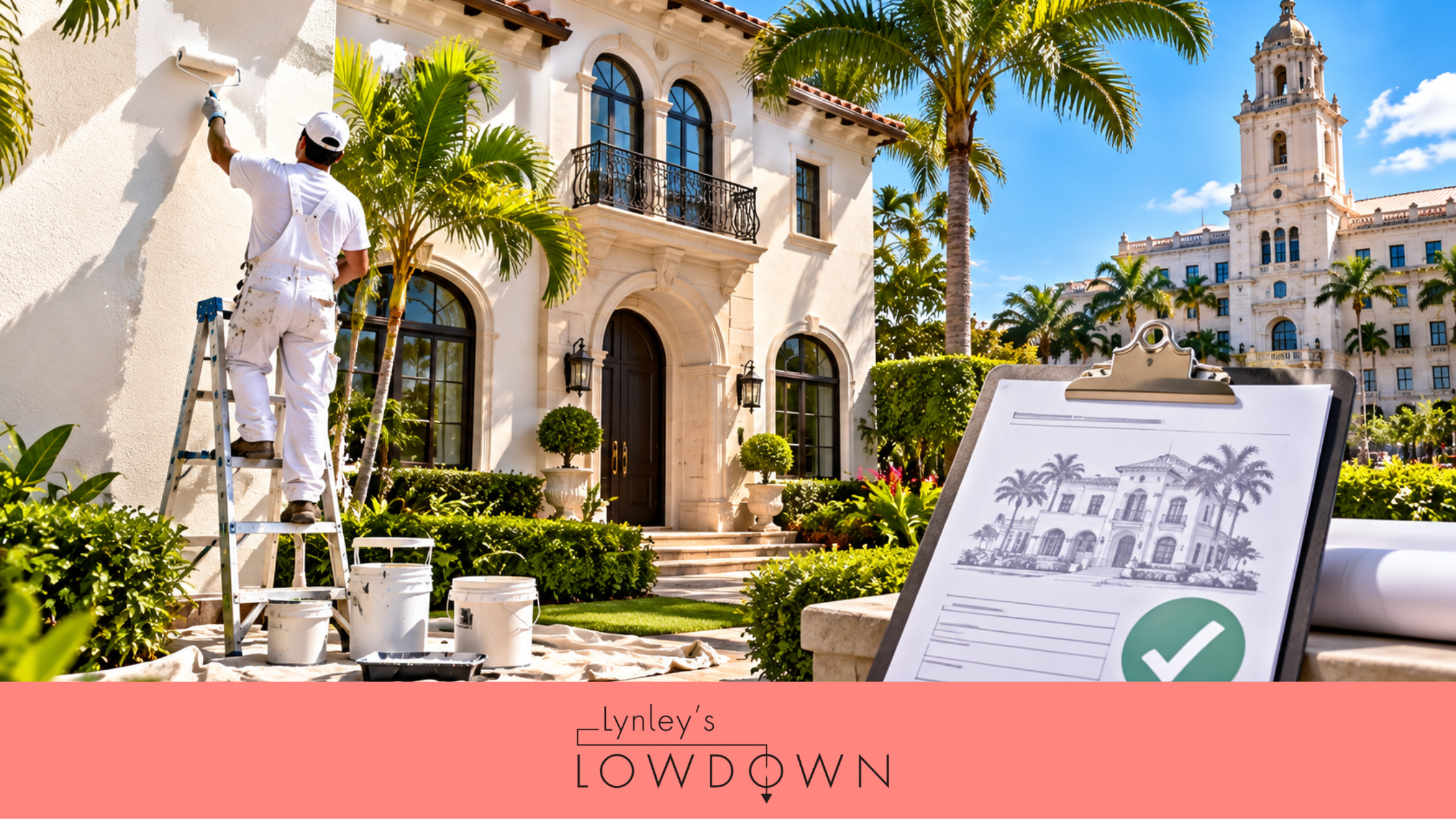
Repainting Before You Sell in Coral Gables? Get City Approval First
Planning to repaint your Coral Gables home before selling? Before hiring a painter, understand the city’s exterior color approval requirements and how the Board of Architects review process could affect your timeline. Learn how to check your property’s permit history, choose from approved color palettes, and address past unapproved paint changes before listing. Whether you’re refreshing your home’s curb appeal or preparing for a full exterior update, getting approval early can help you avoid unexpected delays, inspection issues, and last-minute negotiations when selling your Coral Gables property.
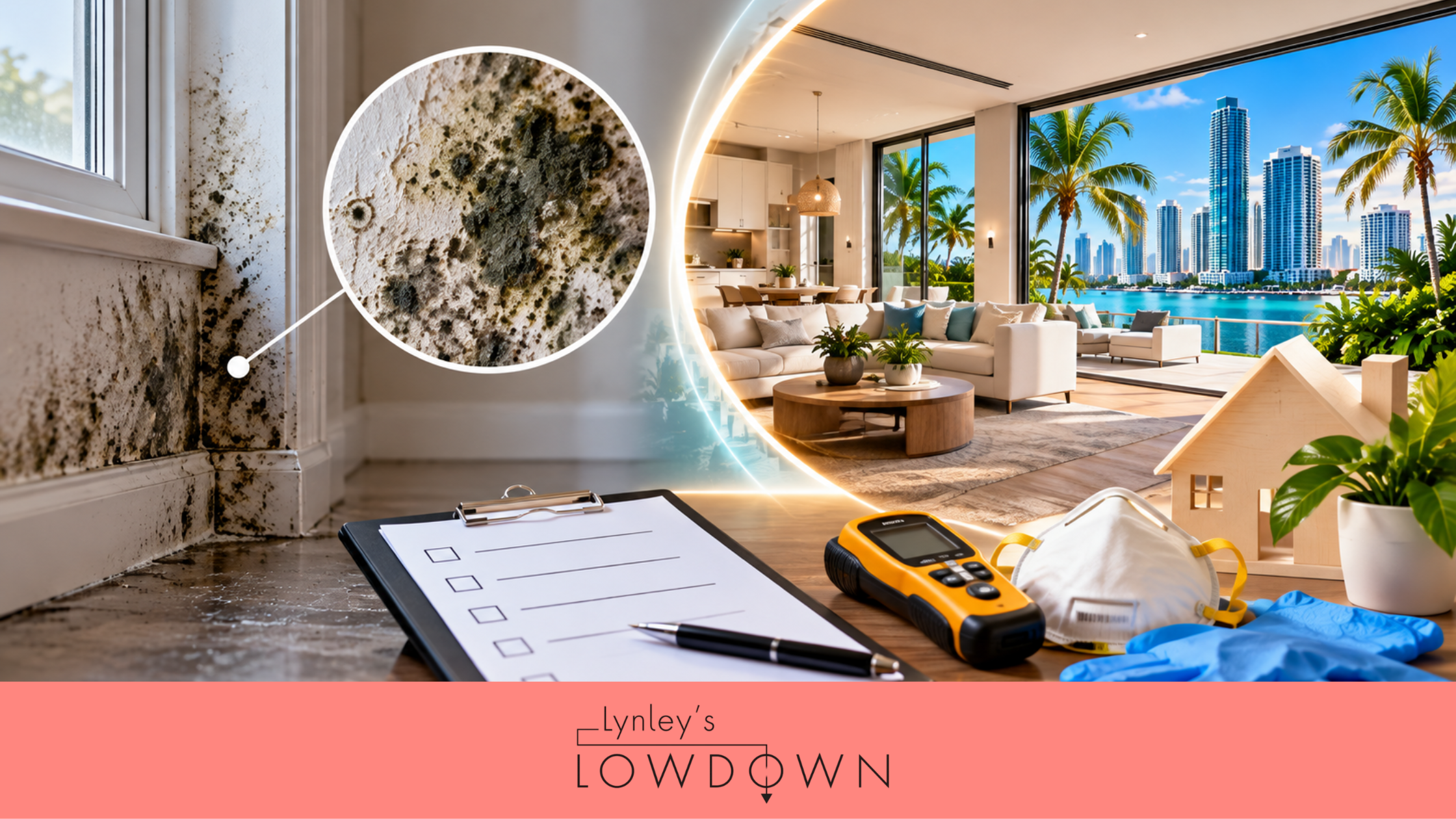
Found Mold Before Listing Your Miami Home? What to Do First
Discovering mold before listing your Miami home can feel overwhelming, but addressing it early can help protect your sale. Learn what Florida sellers must disclose under Johnson v. Davis, why selling as-is doesn't eliminate disclosure obligations, and how to work with licensed mold assessors and remediators. From checking insurance coverage to obtaining a clearance report, these steps can help you avoid inspection surprises, buyer concerns, and last-minute negotiations. Whether you're selling in Coral Gables, Pinecrest, or South Miami, handling mold issues before listing can help keep your transaction on track.

Fall Closing in Miami: How Property Taxes Get Prorated
Selling your home in Miami during the fall can make property tax prorations more complicated than you might expect. Because Florida property taxes are paid in arrears, sellers typically credit buyers for the portion of the year's taxes covering their ownership period, even when the final bill hasn't arrived. From November closing estimates and early-payment discounts to January closings and homestead tax caps, understanding how prorations work can help you avoid surprises at the closing table. Whether you're selling in Coral Gables, Pinecrest, or South Miami, planning ahead helps you estimate your net proceeds and keep your transaction on track.

Wrong Square Footage on Your Miami Listing? Fix It First
It's common for Miami homeowners to find different square footage figures on Zillow, county records, surveys, and appraisal reports. The reason is simple: each source measures space differently. While Miami-Dade Property Appraiser records use adjusted area for tax purposes, lenders rely on ANSI living-area measurements that exclude garages and other non-livable spaces. Before listing your home, verify which number accurately reflects your property's living area to avoid appraisal disputes, pricing challenges, and buyer confusion later in the transaction.

Security Cameras During Showings: What Miami Sellers Can Record
Many Miami homeowners leave security cameras running during showings without realizing their devices record audio by default. While video surveillance in common areas is generally permitted, Florida's all-party consent law creates serious risks when conversations are recorded without permission. Before listing your home, understand what you can legally record, which devices to disable, and why visible cameras may discourage some buyers from making an offer.

Buyer Wants to Extend Closing? What Miami Sellers Can Ask For
A buyer's request to extend closing doesn't mean you have to agree. In Florida, closing dates only change when both parties sign a written addendum. Before granting extra time, Miami sellers should understand what's causing the delay, how it affects their own plans, and what they can ask for in return. From per diem fees and additional deposits to setting a firm new closing date, here's how to protect your leverage when a buyer asks for more time.

What Stays With Your Miami Home When You Sell It
Many Miami sellers assume they can take favorite light fixtures, TV mounts, shutters, or landscaping items when they move. In reality, Florida's AS IS contract includes many of these items by default unless they're specifically excluded in writing. Learn what stays with the house, what you can keep, and the simple steps that prevent costly closing-day disputes with buyers.

Vacant Home Insurance When Selling in Miami: The 60-Day Trap
Many Miami homeowners assume their insurance coverage stays the same after they move out and list their property for sale. In reality, most Florida homeowners policies begin restricting coverage once a home has been vacant for 30 to 60 consecutive days. That can leave sellers exposed to costly claims involving water damage, theft, vandalism, or broken glass while the home is still on the market. Before the moving truck arrives, it's important to understand your policy's vacancy rules, explore vacant-home insurance options, and create a plan that keeps your property protected through closing.

Selling a Parent's Miami Home With Power of Attorney
A valid power of attorney can allow you to sell a parent's Miami home, but only if the document meets Florida's legal requirements and grants clear authority over real estate transactions. Too often, families discover problems with an outdated or incomplete POA only after a buyer is under contract. From durability requirements and recording procedures to trust ownership and homestead rules, understanding these issues before listing can prevent costly delays and closing complications. Here's what Miami homeowners and their families should know before putting a property on the market.