

Should You Add an ADU to Your Miami Home Before You Sell?
Adding an Accessory Dwelling Unit (ADU) can be one of the most valuable upgrades for Miami homeowners—but only if it’s planned strategically. A legally permitted ADU may increase your home’s value by 100% to 150% of its construction cost while creating additional rental income that appeals to today’s buyers. For homeowners in neighborhoods like Pinecrest, Palmetto Bay, South Miami, and Coral Gables, the decision depends on factors such as lot size, permitting, HOA restrictions, construction timelines, and your expected selling date. Before investing six figures into an ADU, understand whether it will truly maximize your home's resale value or if your money is better spent on other pre-listing improvements.

Rent vs. Buy in Miami: The Real 2026 Break-Even Math
Deciding whether to rent or buy a home in Miami isn't as simple as comparing a mortgage payment to monthly rent. While national studies suggest it can take more than a decade to break even, local market data tells a different story—often closer to four or five years for buyers who plan to stay. Factors like homeowners insurance, HOA fees, the Florida Homestead Exemption, and your expected length of ownership all play a major role in the equation. Whether you're relocating from out of state or deciding between renting in Brickell or buying in Coral Gables, Pinecrest, South Miami, or Coconut Grove, understanding your personal break-even point can help you make a smarter long-term investment decision.

What Is an Assumable Mortgage? How It Can Help Sell Your Miami Home Faster in 2026
If your Miami home has an FHA, VA, or USDA loan with a low interest rate from 2020–2022, you may have a valuable selling advantage. An assumable mortgage allows qualified buyers to take over your existing loan—and its lower interest rate—instead of financing at today's much higher rates. That can translate into significant monthly savings and make your listing stand out in competitive neighborhoods like South Miami and Palmetto Bay. Before advertising your home as having an assumable mortgage, it's important to understand loan eligibility, the equity gap, lender requirements, and the longer closing timeline that comes with the assumption process.

Is My Deposit Safe When I Buy a Pre-Construction Condo in Miami?
Buying a pre-construction condo in Miami can offer exciting opportunities, but it also comes with unique financial risks. Florida law protects buyers by requiring deposits of up to 10% to remain in a secure escrow account and provides a 15-day rescission period to cancel your contract for a full refund. After that window closes, however, your deposit is generally non-refundable unless the developer defaults. With several South Florida developments facing delays, lawsuits, and financial challenges in 2026, buyers should carefully evaluate a developer's track record, contract terms, assignment policies, and financing timelines before committing to a project. Whether you're considering new construction in Coral Gables or Coconut Grove, understanding how your deposit is protected can help you make a more confident investment decision.

Can a Hurricane Delay Your Miami Home Closing?
Yes—a hurricane doesn't have to make landfall near Miami to delay your home closing. During Florida's hurricane season, insurers may temporarily stop binding new homeowners, wind, and flood insurance policies statewide whenever a named storm triggers a watch or warning anywhere in Florida. Without a bound insurance policy, lenders cannot fund a mortgage, potentially postponing your closing. Whether you're buying or selling in Coral Gables, Pinecrest, Coconut Grove, South Miami, or Palmetto Bay, understanding Florida's insurance binding rules, force majeure provisions, and closing timeline can help you avoid unexpected delays and keep your transaction on track.

Should you buy your next Miami home before selling your current one?
If you're planning to upgrade to a new home in Miami, deciding whether to buy first or sell first can have a major financial impact. While selling first is often the safest option, buyers who need to secure their next home before listing still have several financing strategies to consider—including HELOCs, bridge loans, and post-closing occupancy (rent-back) agreements. The best solution depends on your home equity, neighborhood market conditions, and timeline. Whether you're moving within Coral Gables, South Miami, Pinecrest, Coconut Grove, or Palmetto Bay, understanding today's market can help you make a confident move while avoiding costly financing mistakes.
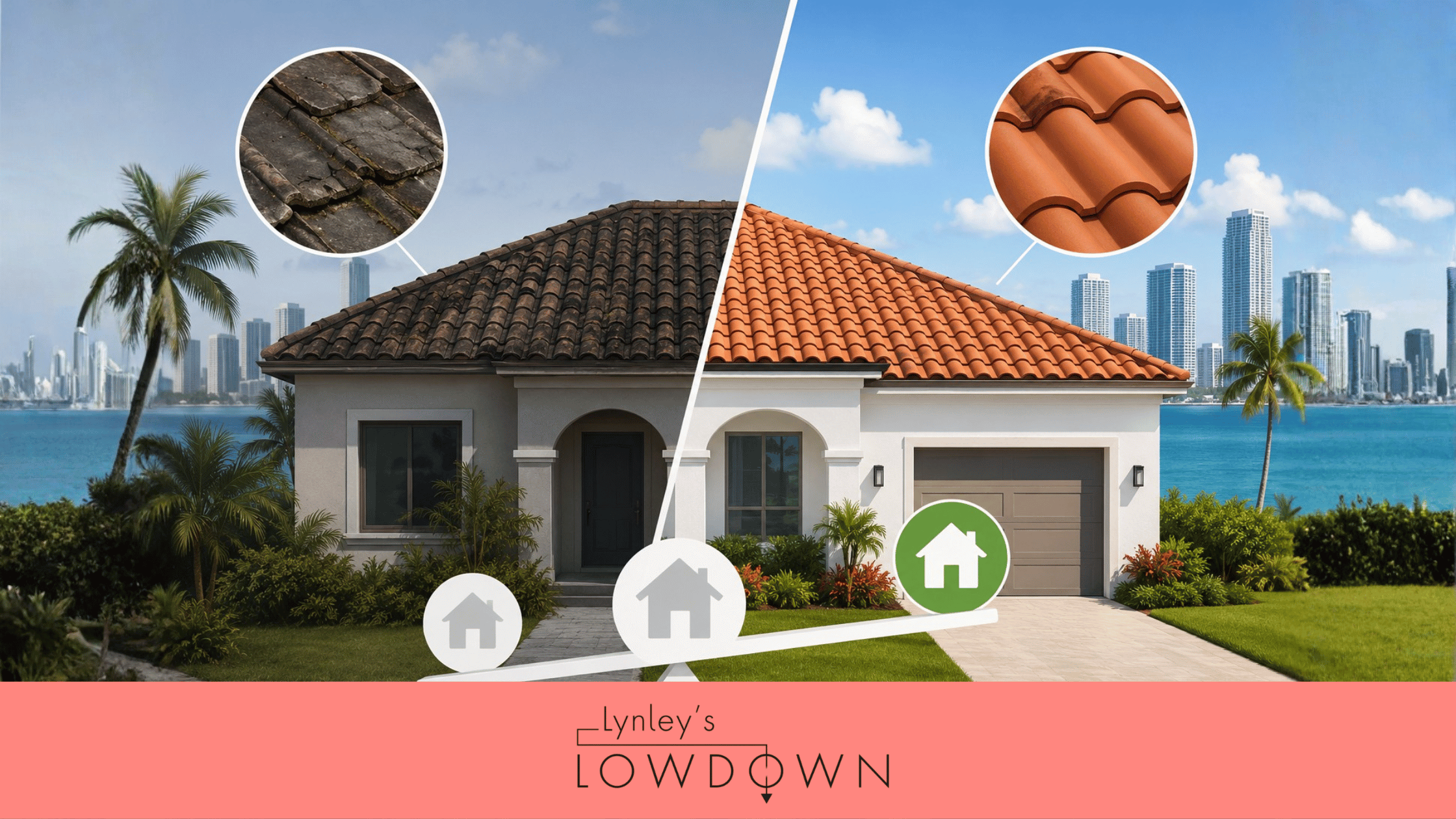
Does a roof's age affect selling a home in Miami?
Your roof’s age can have a major impact on selling your Miami home—even if it’s in excellent condition. As Florida insurers tighten underwriting standards, roofs over 15 years old may lead to higher insurance premiums, limited coverage, or financing challenges for buyers. These issues can reduce a buyer’s purchasing power, delay closing, or even cause a deal to fall through. If you're selling in neighborhoods like Coral Gables, Pinecrest, or Coconut Grove, understanding how roof age affects insurance and buyer confidence can help you prepare your home, attract more qualified buyers, and avoid costly surprises during the sale process.
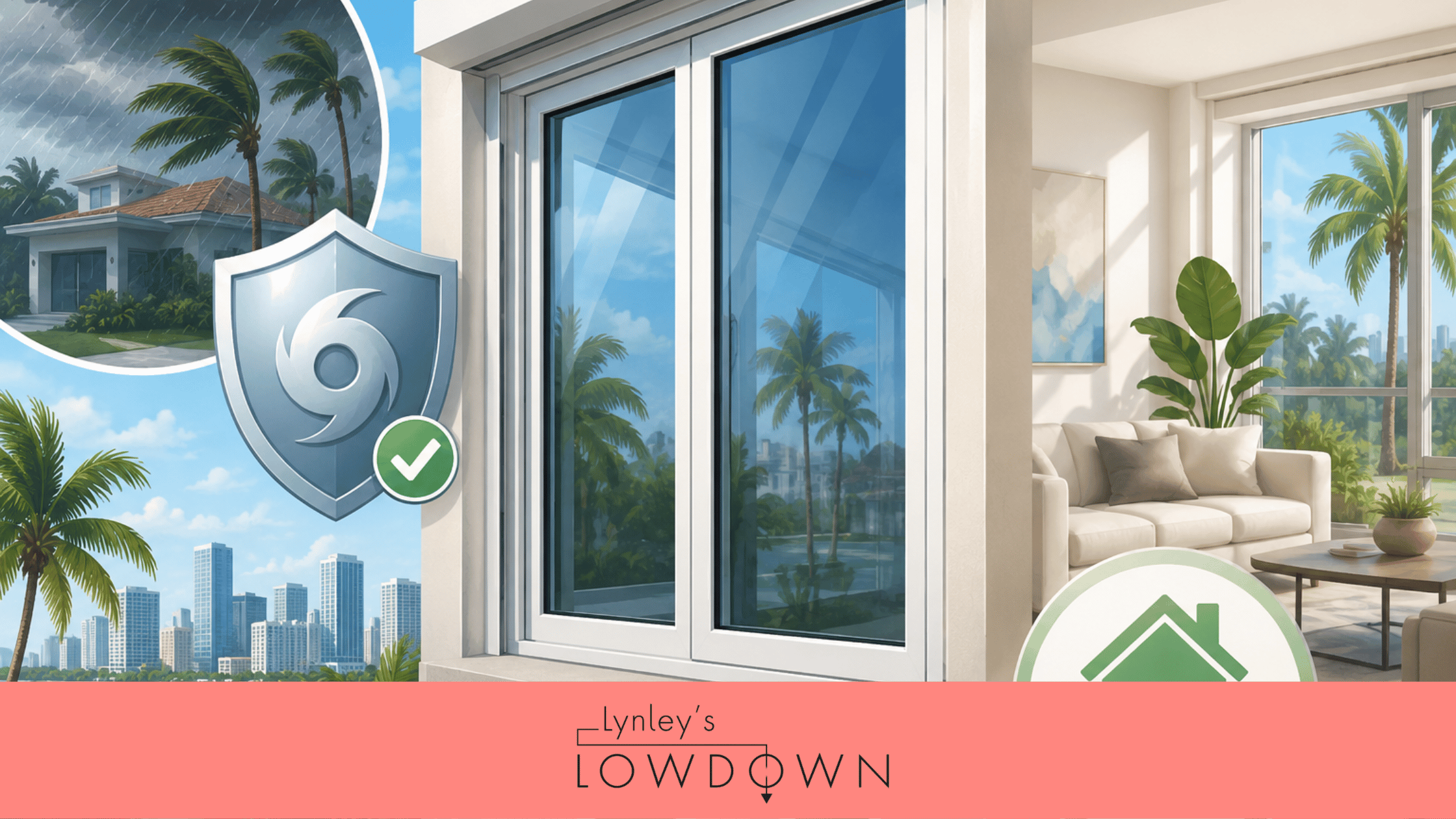
Are impact windows worth it before selling your Miami home?
Impact windows can do more than protect your home during hurricane season—they can also increase your home's value, reduce insurance costs, and help it sell faster in Miami's competitive real estate market. While homeowners often recover 70–95% of their investment, the actual return depends largely on how soon they plan to sell. For homes in neighborhoods like Coral Gables, Pinecrest, Coconut Grove, and Old Cutler Bay, upgrading aging or storm-damaged windows can improve buyer confidence, streamline insurance approval, and prevent costly negotiations after inspection. Before investing, learn how your selling timeline affects your return and whether a full replacement, partial upgrade, or wind mitigation inspection is the smartest move.

Does selling your Miami home yourself actually save you money?
Selling your Miami home without a real estate agent may seem like an easy way to save on commission, but the numbers often tell a different story. While For Sale By Owner (FSBO) sellers can avoid the listing commission, they typically still pay a buyer's agent concession and may sell for significantly less than agent-represented homes. In luxury markets like Coral Gables, Pinecrest, South Miami, and Coconut Grove, pricing strategy, marketing exposure, negotiation expertise, and legal disclosures can have a far greater impact on your bottom line than the commission you hope to save. Before deciding to sell your home yourself, compare the real net proceeds—not just the commission line.
Capital Gains Tax on a Miami Home Sale: A Guide for Sellers
Selling your Miami home can result in significant profits—but it’s important to understand how federal capital gains tax may affect your net proceeds. While Florida has no state income tax or state capital gains tax, sellers may still owe federal taxes if their gain exceeds the IRS primary residence exclusion. Homeowners in neighborhoods like Coral Gables, Pinecrest, South Miami, Coconut Grove, and Palmetto Bay who have seen substantial appreciation in recent years should understand how the primary residence exclusion, capital improvements, and the 3.8% Net Investment Income Tax can impact their bottom line. Planning ahead with accurate tax estimates can help you maximize your proceeds and avoid surprises at closing.

Do You Have to Add a Pool Fence or Alarm Before Selling Your Home in Florida?
If you're selling a home with a pool in Miami, you've likely seen claims that Florida now requires homeowners to install a pool fence or alarm before closing. The truth is, no such law currently exists. Florida's Residential Swimming Pool Safety Act only applies to new pool construction, not existing homes being sold. However, sellers are still required to accurately disclose their pool's existing safety features on the FAR/BAR Seller's Property Disclosure form. For homeowners in Pinecrest, Coral Gables, and Palmetto Bay, understanding what buyers, inspectors, and lenders will actually evaluate can help prevent delays, repair requests, and unnecessary expenses when listing your home.

Do You Have to Sign an Agreement to Tour a Miami Home?
If you're planning to buy a home in Miami, don't be surprised if your real estate agent asks you to sign a written agreement before scheduling a showing. Since the 2024 industry changes, Florida buyers working with MLS-participating agents are required to sign a buyer representation agreement before touring a property. Whether you're searching in Coral Gables, Pinecrest, South Miami, Coconut Grove, or Palmetto Bay, it's important to understand the different agreement options, what terms are negotiable, and how these forms affect your home search. Knowing your rights before you sign can help you choose the right representation and move through the buying process with confidence.

Is Miami a buyer's market or a seller's market in 2026?
The Miami real estate market in 2026 is telling two very different stories. While Miami condos are firmly in a buyer’s market with rising inventory and declining prices, luxury single-family homes in neighborhoods like Coral Gables, Pinecrest, Coconut Grove, and Palmetto Bay continue to perform like a seller’s market, driven by limited inventory, strong demand, and high-net-worth buyers relocating to South Florida. If you’re considering selling your home in Miami, understanding the difference between condo trends and the single-family luxury market is critical to pricing strategically and maximizing your opportunity in 2026.

FIRPTA and the Miami Home Sale: What Foreign Sellers Need to Know.
If you’re a foreign homeowner selling property in Miami, understanding FIRPTA (Foreign Investment in Real Property Tax Act) is essential before listing your home. Under U.S. tax law, buyers may be required to withhold 15% of the total sale price — not just your profit — which can mean hundreds of thousands of dollars held at closing. Sellers in luxury markets like Coral Gables, Coconut Grove, Pinecrest, and Palmetto Bay should understand available exemptions, IRS withholding certificates, and tax planning strategies early to avoid delays and protect their proceeds when selling real estate in Miami.

Buyer Sent a Repair Request After Inspection? Here's What Miami Sellers Should Do
A buyer’s repair request after inspection can feel overwhelming, but under Florida’s FAR/BAR AS-IS contract, Miami sellers are not legally required to make repairs. Sellers can choose to offer a closing credit, complete specific repairs before closing, or decline the request entirely — but every decision impacts whether the deal moves forward or falls apart. In competitive neighborhoods like Coral Gables, Pinecrest, Coconut Grove, and South Miami, understanding how to respond strategically after inspection can help sellers protect both their sale price and closing timeline.